From Digital Newsrooms to Leadership: Mwazi’s Journey Advancing Women’s Voices in Zambia
An alumna of RNW Media's RNTC Media Training Center alumna reflects on digital transformation, newsroom leadership, and why visibility for women journalists matters.
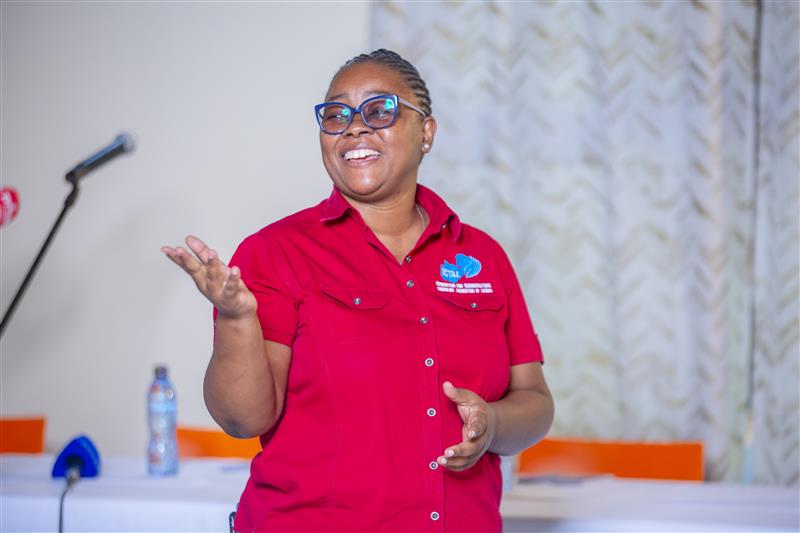
Thirty years after the Beijing Platform for Action placed gender equality firmly on the global agenda, progress in media representation remains uneven. Women continue to work across newsrooms worldwide, yet their visibility in leadership roles and news coverage remains limited.
According to the Global Media Monitoring Project's (GMMP) 2025 report, women account for just 26% of people heard, read about, or seen in news stories globally. Leadership gaps persist as well: research by the Reuters Institute for the Study of Journalism shows that women hold around 27% of top editorial positions across major news organisations.
For Mwazi Sakala, Secretary of the Zambia Media Women Association (ZAMWA) and an alumna of RNW Media's RNTC Media Training Center, visibility has played an important role in strengthening representation within Zambia’s media landscape.
Building Digital Leadership in Zambia’s Newsrooms
Mwazi’s journey into digital editorial leadership began during a pivotal period of change in Zambia’s media sector. In 2014, while serving as Online Editor at the Zambia Daily Mail, she participated in RNTC’s Mastering Social Media training. At the time, many newsrooms were still navigating how to integrate social media into editorial workflows and how to engage audiences in a rapidly evolving digital environment.
Returning to the newsroom after the training, Mwazi applied her newly acquired perspective and skills related to using social media with renewed confidence.
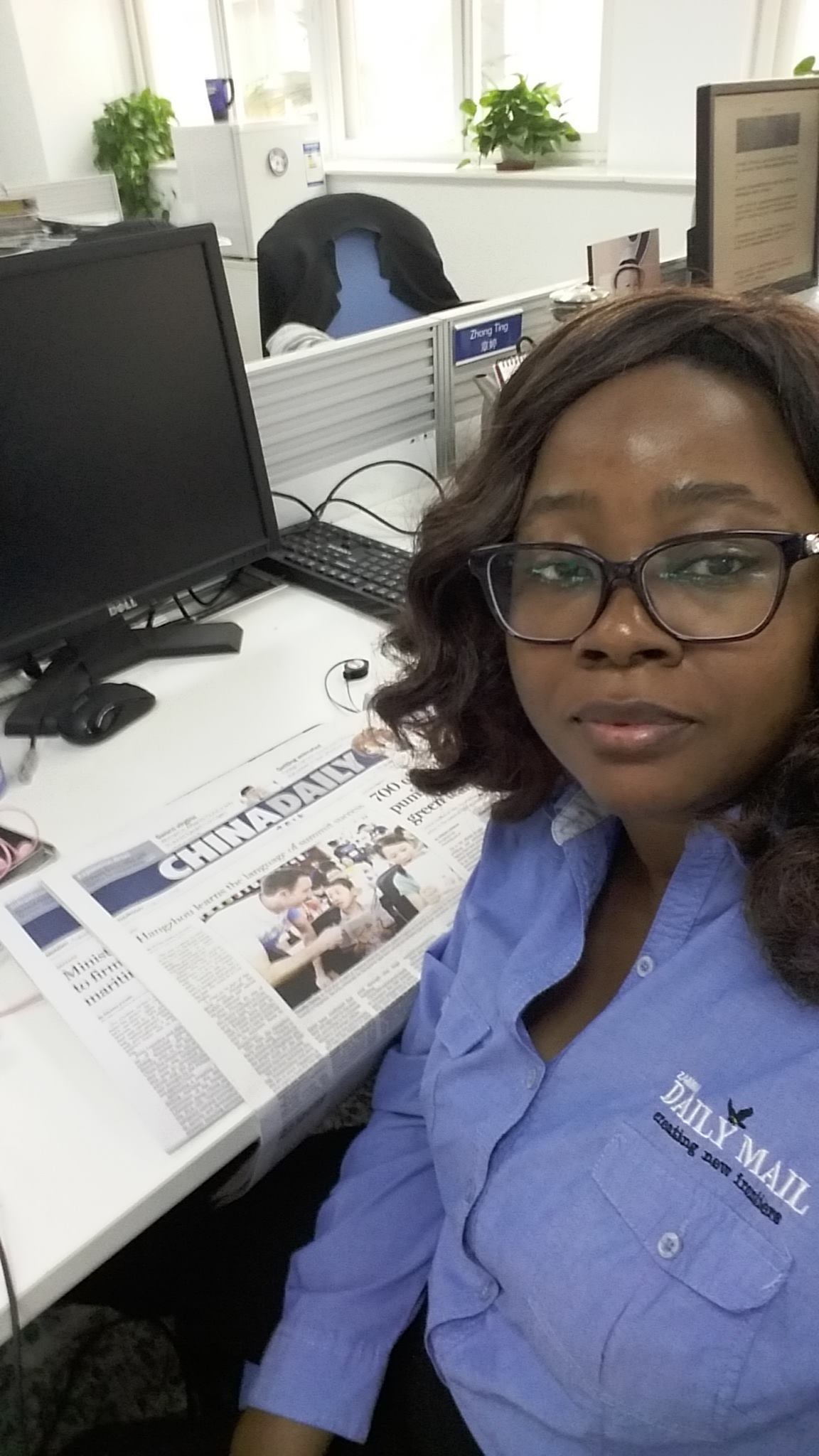
At the time, the role of updating the news content on websites and social media platforms was seen as highly technical. The training gave me the confidence to implement digital media strategies while balancing public interest, stakeholder expectations and newsroom priorities.
The shift toward digital media was also becoming more visible across the country. A few years later, Mwazi would join TopStar Zambia, the national public TV signal distributor, as the country moved from analogue to digital television transmission; a transition that expanded broadcasting capacity and accelerated the growth of digital media platforms.
The Zambia Daily Mail was among the first publicly owned media outlets in the country to actively utilise platforms such as Facebook and Twitter (now X).
Opening Doors for Women in the Digital Media Space
Her visibility in a senior digital role also had an impact beyond the newsroom. At a time when digital media skills were still emerging in many newsrooms, her leadership helped demonstrate that women could confidently lead in the online news environment.
I have often been approached by fellow female journalists and communication practitioners for guidance on social media management. Today digital media is much more common, but in those early years it helped show that women could lead in that space.
Leadership Beyond the Newsroom
Today, Mwazi continues to contribute to strengthening women’s participation and leadership across the media sector. She currently serves as Secretary of the Zambia Media Women Association (ZAMWA), a professional organisation that brings together female media practitioners across print, radio, television, public relations and communications. ZAMWA works to promote women’s rights, strengthen media ethics and support professional development within the Zambian media landscape.
Her work also extends into the digital policy space. As Communications Lead for the Internet Society (ISOC) Zambia Chapter, she has participated in consultations on legislation and digital rights, particularly where these intersect with journalism and online information ecosystems.
Women’s Leadership and Media Viability
Increasing women’s leadership in media organisations can also strengthen the sustainability of those institutions. Drawing from her experience at the Zambia Daily Mail, Mwazi believes that diverse leadership contributes to stronger editorial content and audience engagement.
A broader range of perspectives within newsroom leadership can support more inclusive storytelling and expand the issues that receive attention in public discourse. Supporting women in leadership roles just makes business sense.
The Multiplier Effect of Training and Mentorship
The principle behind the International Women’s Day campaign theme, ‘Give to Gain’, resonates strongly with Mwazi’s own experience. Professional training opportunities often extend far beyond the individual participant.
“A training of one person opened up opportunities for so many more through knowledge sharing and mentorship,” she explains. More than a decade after attending the RNTC training, she continues to recommend similar opportunities to younger journalists entering the profession.
Investing in the Next Generation of Women Journalists
Looking ahead, Mwazi believes that access to training and professional development remains one of the most important forms of support for women journalists. Many media organisations face financial constraints that limit their ability to invest in staff development, making external opportunities for learning and mentorship even more valuable.
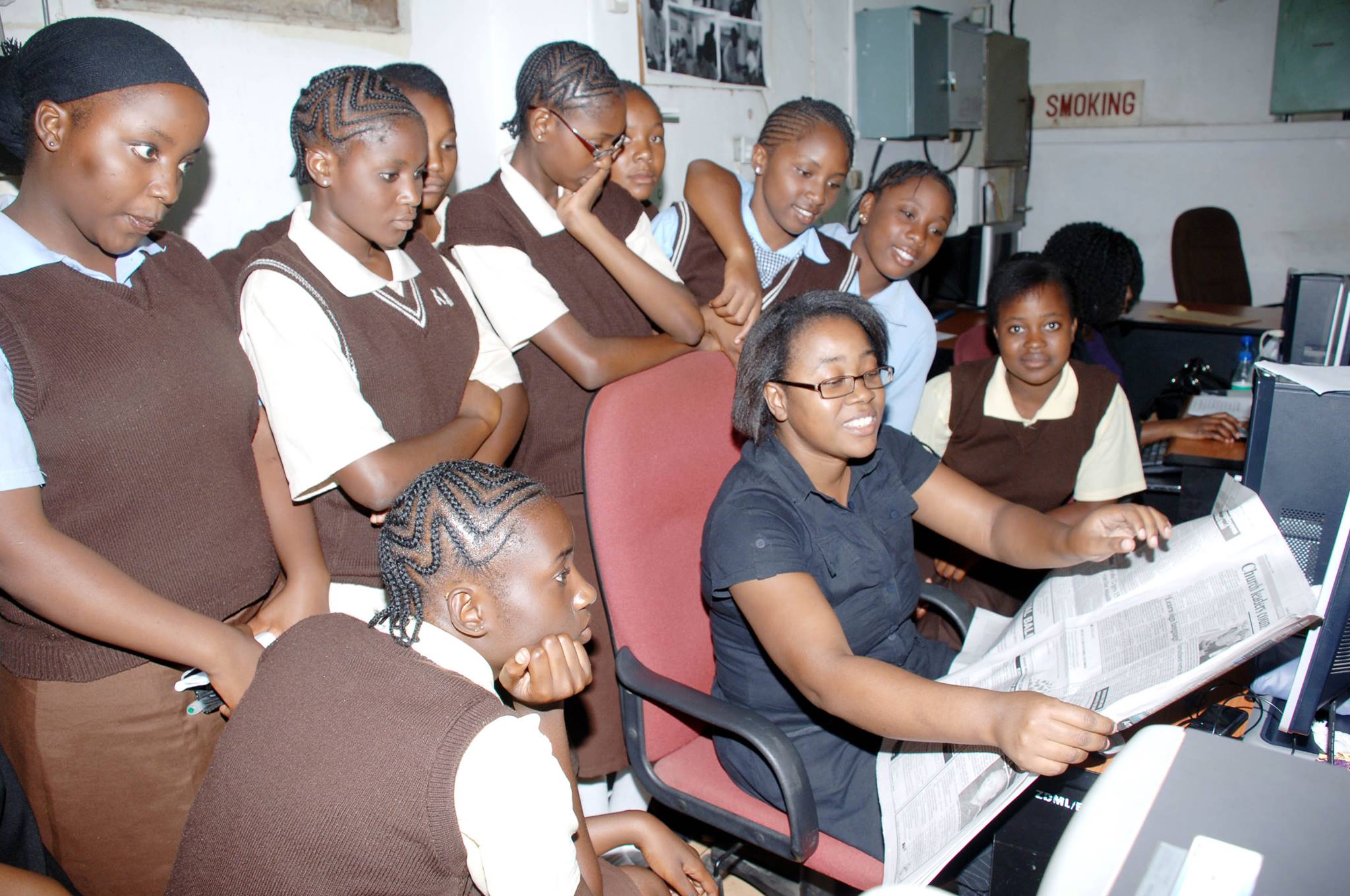
Her message to women aspiring to leadership in media is simple but powerful:
There is no limit to what you can achieve. Dream big and find allies to help you rise.
After all, visibility in journalism is never just symbolic. It determines whose voices shape the narrative and whose experiences become part of the public record and discourse.