How Alumna Mariah Tembo is Battling Misinformation in Zambia’s Start-Up Ecosystem
Reflecting on her time at RNTC, Mariah points to a specific turning point: discovering how accessible advanced digital manipulation tools had become.
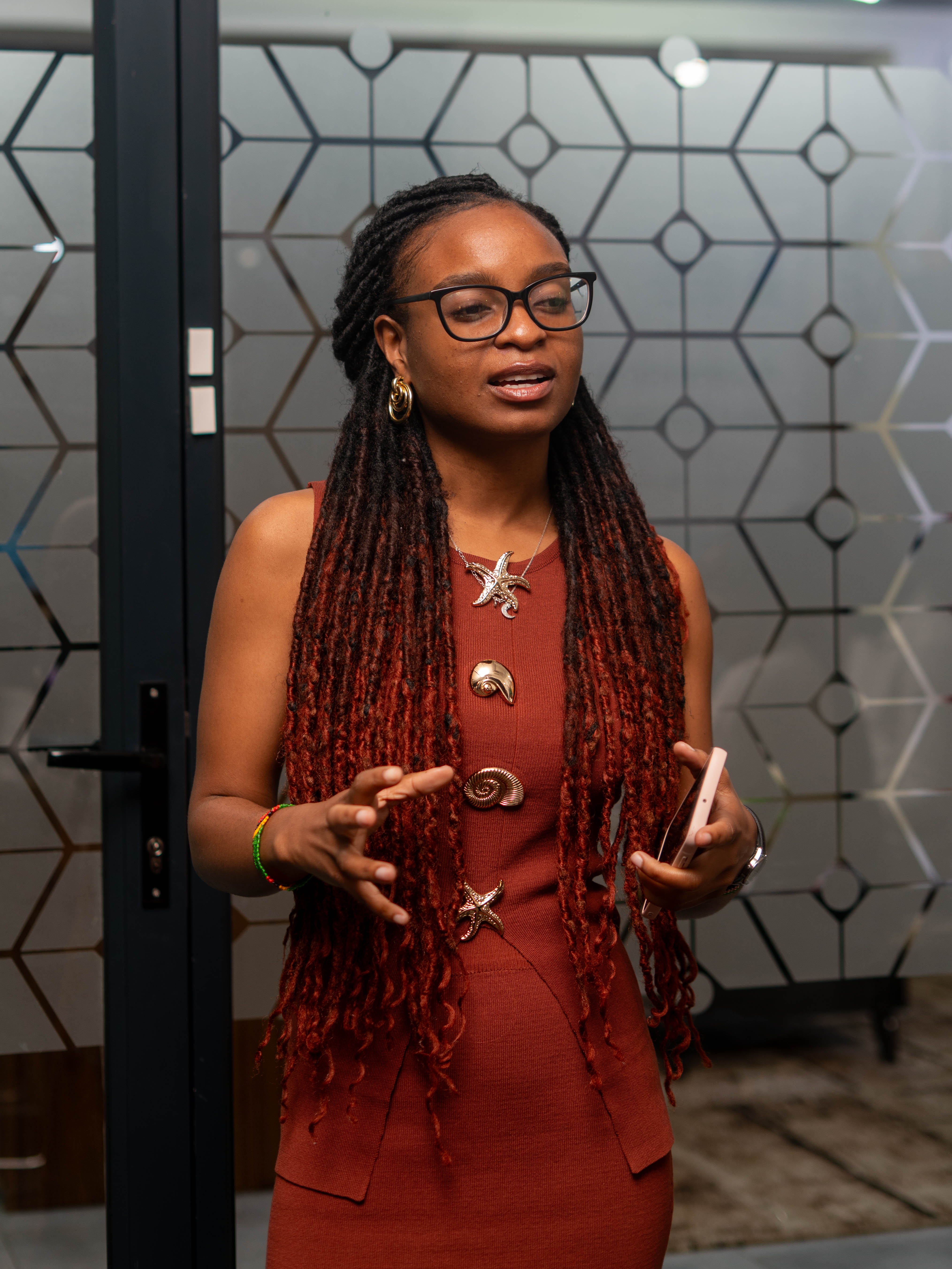
Since completing the RNTC course, Digital Media to Counter Hate Speech and Disinformation, in 2022, my career has changed direction in a significant way. Before the training, I worked in public relations, digital marketing and communications. I have since moved into a role that supports entrepreneurs through structured programmes, including running incubators and accelerators.
On the surface, this looks like a move away from media. In practice, I have carried the training with me. Misinformation is not only a problem for newsrooms and politics. It affects the start-up and business ecosystem too, through false claims about products, misleading information circulating about founders and enterprises, and unverified content shared in the places where entrepreneurs find advice and make decisions. The rapid advance of AI has made this harder, because convincing false content is now quicker and cheaper to produce than ever.
My communications background and the RNTC training both shape how I work with entrepreneurs today. I encourage the people I support to verify information before they act on it, to communicate honestly about their businesses, and to think carefully about the digital spaces where they build their reputations.
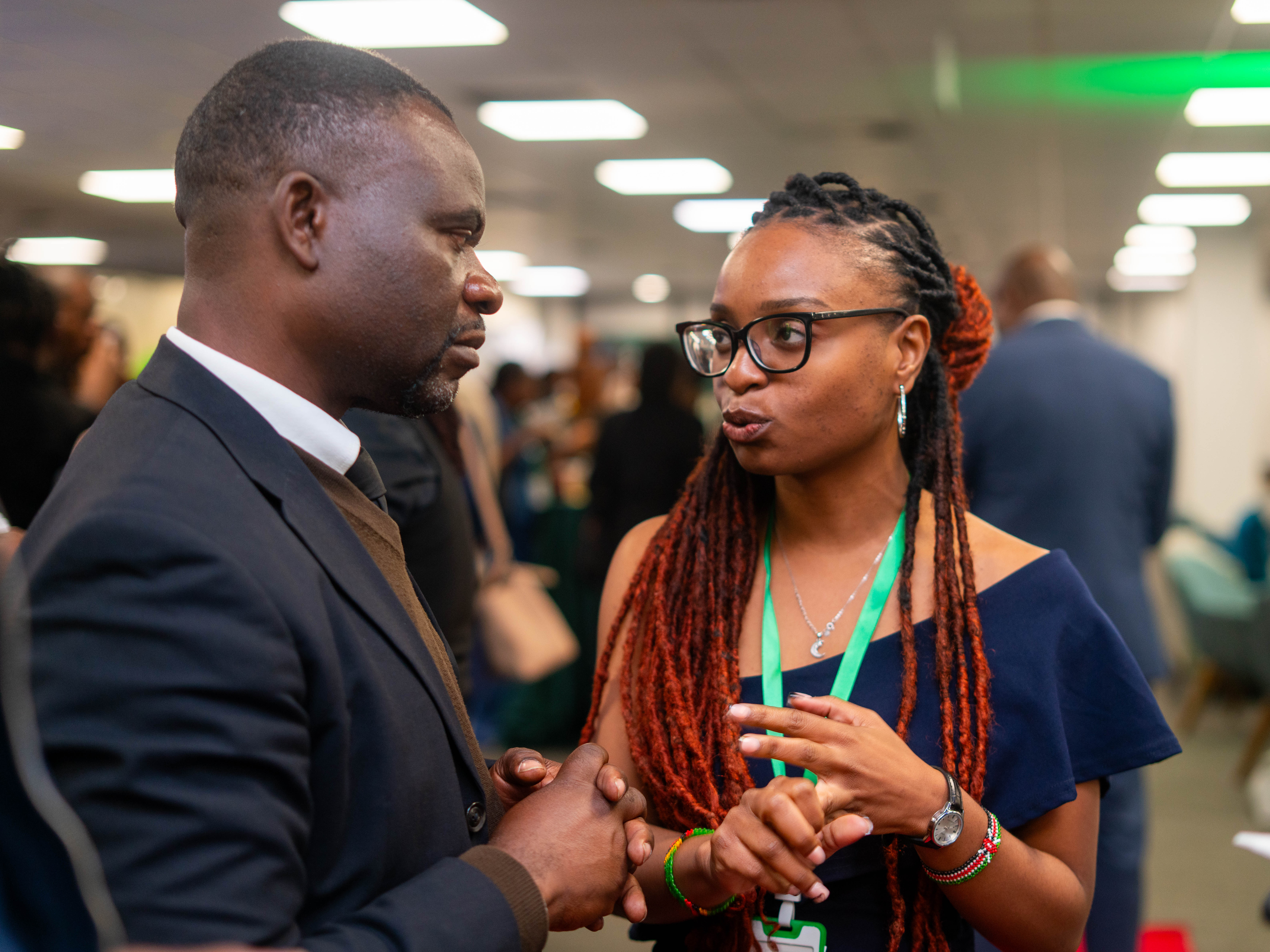
The most lasting thing the training gave me was a realisation of how far technology had moved, much of which I had not known existed. Our trainer showed us how images of people can be generated that look completely real but are of people who do not exist. We also learned how a person can be located without ever sharing their address, by piecing together clues from their background and using freely available mapping tools. I had no idea this was possible, and it was a turning point for me.
Looking back, that session was the beginning of my understanding of how quickly digital tools were developing and what was emerging in the market. Those technologies are far more common now, but the training gave me an early awareness of them. It made me more vigilant and less trusting than I had been before, because I saw how easily people can be swayed by content that looks genuine.
It also changed my habits. When I see a video or an image now, I ask where it came from and whether it is real. I look at the source and check the metadata where I can. I apply this in my own work and encourage the entrepreneurs I support to do the same, because the same tools that can mislead the public can mislead a founder, an investor or a customer.
Since the training, I have taken on leadership roles in the start-up and business ecosystem, mainly running incubator and accelerator programmes. I led the Women in Tech Zambia programme, a 12-week programme for founders where they received technical support throughout, and at the end they were able to access equity-free grants to help them scale their businesses. I have also worked on a programme that helps businesses become more sustainable as the donor funding they depend on comes to an end. Before moving into programmes, I led digital marketing for the company I worked for, including managing its page.
My influence has not been limited to formal roles. Immediately after completing the RNTC course, I went back to the children I used to work with and taught them what to look out for online and how to be more careful on the internet. This was the first place I applied the training, and it showed me how much digital literacy matters for young people.
The link to journalism and media development is through information integrity and digital literacy. In each of my roles, I try to help people question what they see online, check where it comes from and make decisions based on reliable information. The context has changed from the newsroom to the classroom and the start-up ecosystem, but the principle I took from the training is the same.
Tangible impact
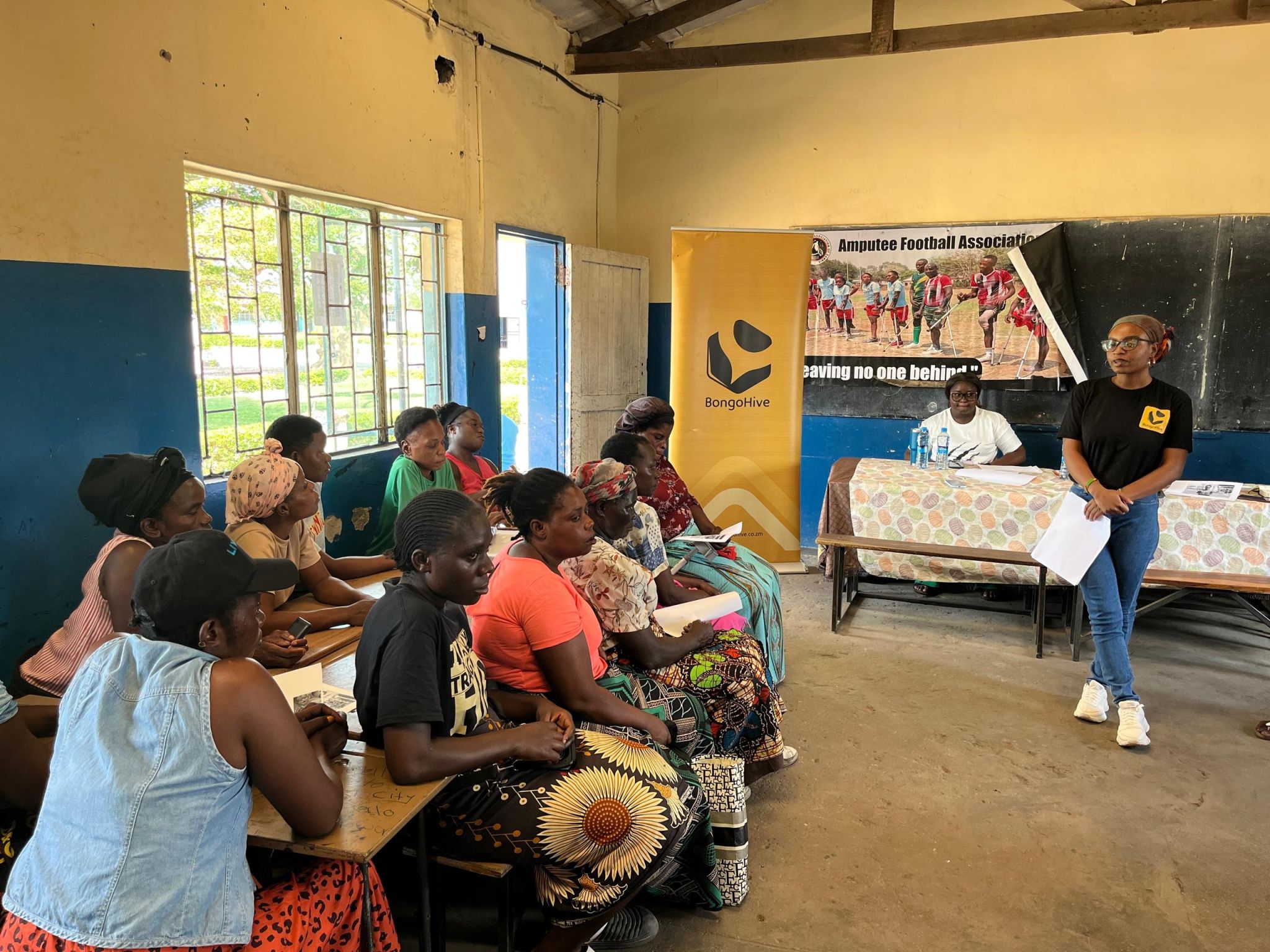
The clearest impact I can point to is the digital literacy teaching I now do in the communities I work with. My work brings me into contact with people from very different backgrounds. Some are comfortable with technology and others are not. When we run basic business training for community members, I often find that they first need an introduction to the tools around them.
Many of them have heard of some of these new technologies but are unsure what it actually is. So before moving into the business content, I explain what, for example AI is, how to use it, and what to look out for. I also help them understand that what they see online is not always true. Some participants now ask for this training directly, before anything else, because they see the need for it themselves.
I trace this directly to my RNTC experience. The training taught me how convincing false content has become and how easily people can be misled by it. That is why I make a point of building this awareness into the training I deliver, instead of assuming people already have it. I take it into community settings where information about these tools is still unclear, and where people who are not tech savvy are the most exposed.
Challenges and growth
I would not describe my journey as one of major obstacles, but it has certainly involved growth, and I am still growing. Moving from a purely communications role into a programme-based role came with its own learning curve. The work is different, the responsibilities are wider, and I had to build new skills while carrying over the ones I already had.
The biggest ongoing challenge is that everything around me keeps changing. Policies change, people change and technology changes, particularly with how quickly AI is developing. I have learnt to keep up with this without feeling overwhelmed, and adaptability has become one of my most important skills.
That adaptability shows up in how I deliver my work. Even when I have run the same session ten times, I go back before the next one and ask what has changed, what can be improved and what needs updating. I do not treat what I learned at RNTC as fixed. I keep refreshing it, so that what I teach stays current and relevant to the people in the room.